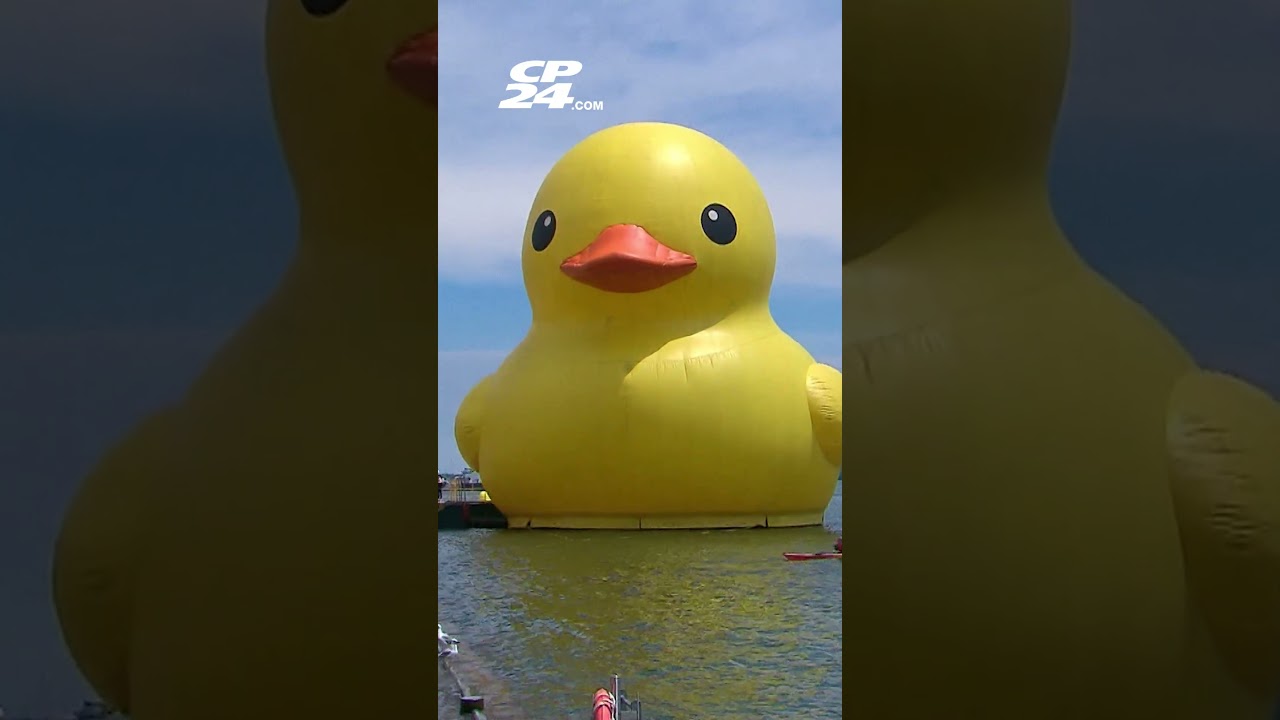
The Toronto Waterfront Festival, an annual celebration cherished by both residents and visitors, has been officially canceled this year. Organizers cite funding challenges as the primary reason for this difficult decision. In recent years, the festival has become synonymous with the iconic inflatable duck that graces the lake, captivating audiences and drawing significant crowds. However, the pressures surrounding the FIFA World Cup have shifted the landscape of corporate sponsorship, leaving organizers grappling with financial constraints.
The festival, which typically showcases a diverse range of activities and performances, serves as a vibrant cultural highlight for the city. Its cancellation marks a notable absence in the summer calendar, particularly in a year when Torontonians were eager to embrace community events post-pandemic. Yet, the organizers stress that the decision wasn’t made lightly. They expressed their commitment to delivering a high-quality event and acknowledged that, under the current financial circumstances, they couldn’t meet that standard.
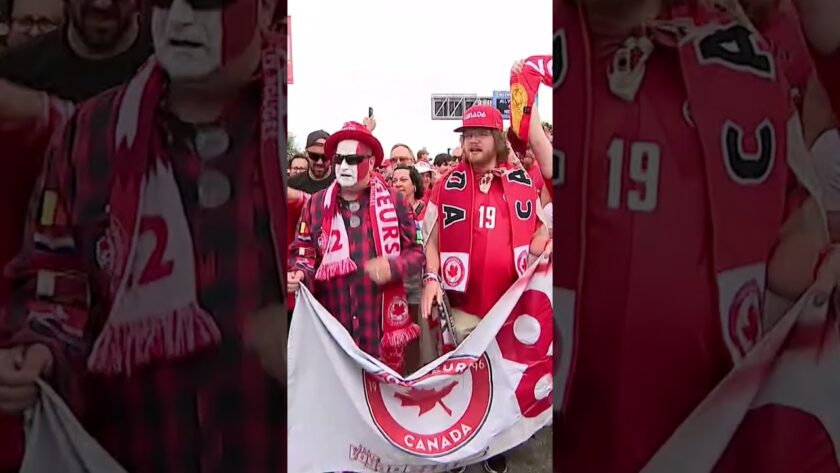
The World Cup’s influence cannot be overstated. As one of the most prestigious tournaments in the world, it attracts not only global attention but also significant corporate investment. Local businesses and sponsors which traditionally support the Waterfront Festival are now prioritizing engagement with World Cup-related activities. This shift has created an environment where competition for sponsorship is fiercer than ever, leaving smaller events vulnerable.
Despite the disappointment, festival organizers are optimistic about the future. They have announced plans for a return in 2027, hoping to recapture the magic and community spirit that the festival has always embodied. The decision to pause for a few years is partly strategic. It allows organizers the time to reassess their funding model and recharge their creative energies. By concentrating on building better partnerships and exploring new funding avenues, they aim to come back stronger.
Both the city and the festival have flourished over the years through collaboration. When the festival takes place, it has historically drawn thousands to the waterfront, showcasing local talent, artisanal goods, and cultural exhibits. Its cancellation is a reminder of the interconnectedness of events and the complexities of event management in today’s economic climate.
The community reaction to the festival’s absence has been mixed; many express disappointment, while others understand the financial realities at play. The hope is to retain the support of the community during this hiatus. Organizers have encouraged dialogue, suggesting that community engagement will be pivotal to ensuring the festival’s successful return.
As Toronto navigates the complexities of hosting grand events like the World Cup, the cancellation of the Waterfront Festival serves as a case study in balancing large-scale international events with local traditions. It raises questions about the sustainability of community-oriented festivals in the face of significant global competitions.
Moving forward, one essential lesson stands out: adaptability. The festival must adapt to current economic pressures, but it also needs to harness the enthusiasm of its community to ensure that it thrives upon its return. There is considerable potential for an event that fosters local pride and creativity, contributing to Toronto’s vibrant cultural tapestry.
The hiatus, although regrettable, could be seen as an opportunity for reflection. It offers a chance to innovate, to create a festival that not only meets the expectations of attendees but also engages diverse stakeholders who may want to invest in celebrating Toronto’s unique waterfront. The organizers, while navigating these choppy waters, remain steadfast in their commitment to ensuring that when the festival returns in 2027, it does so in a stronger, more sustainable format.
In the end, the void left by the festival this year serves not just as a loss but as a reminder of the importance of community events in nurturing cultural identity and unity, even amid challenging circumstances. The hope remains that in 2027, attendees will once again gather to celebrate, enjoy, and connect at the revitalized Toronto Waterfront Festival.